Subscribe to our mailing list

Restorative Schools

FCRJ Restorative Schools Program

FCRJ Restorative Schools Program

In 2020, Full Circle Restorative Justice (FCRJ) was one of only five organizations statewide — and the only rural one — to receive funding from the Colorado Attorney General’s Office to reduce the school-to-prison pipeline. With this support, the Restorative Schools Program was launched, bringing restorative practices into local schools with the goal of reducing suspensions, expulsions, truancy, and the punishment-heavy paradigms that push students out of the classroom and into the legal system.

Since then, our work has evolved beyond intervention. Today, FCRJ’s Restorative Schools Program is deeply rooted in prevention, connection, and culture-building, helping schools create environments where belonging, empathy, and accountability become the norm. Under the leadership of Sandra Garcia (Canon City) and Anne Wester (Chaffee County), our school-based team partners with educators and students to strengthen relationships, increase emotional safety, and foster a positive climate that supports academic and social success.

A cornerstone of this preventative work is our Own It–Change Day, a full-day, schoolwide experience that brings students together to break down barriers, build empathy, and strengthen peer-to-peer connections. Students consistently report feeling more understood, more willing to take responsibility for their choices, and more committed to supporting one another after participating.

We are also developing Youth Impact Groups, giving students meaningful voice and leadership in shaping school climate. These groups focus on promoting healthy choices, peer support, and positive culture-building — including anti-vaping initiatives grounded in restorative principles, where students help create solutions rather than simply receiving punishment.

Today, the Restorative Schools Program includes:

Direct Support & Rapid Response

Services for any school in Chaffee, Custer, Fremont, and Park counties that need help addressing difficult in-school behaviors, conflicts, or classroom climate concerns — including a Rapid Response capability for high-impact situations.

Prevention & Intervention Using Restorative Practices

Development and implementation of restorative practices that strengthen relationships and build community, including schoolwide climate strategies, staff trainings, student skill-building, and administrator support.

Weekly Office Hours

Standing weekly office hours with the Restorative Schools Program Managers, offering consistent, accessible guidance and collaboration for school partners.

Advocacy, Training & Capacity-Building

Ongoing support for educators, students, administrators, and community members who want to implement or expand restorative practices in their schools.
FCRJ Restorative Schools Managers

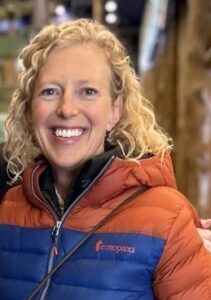
Sandra Garcia-Canon City

Anne Wester-Chaffee County

What can restorative school programming help address?

  • Building positive culture and climate in schools
  • Bullying - including groups and social media
  • Truancy or disengagement with school
  • Conflicts, including physical altercations
  • Reintegration after suspension or significant break from school
  • Building opportunities for student/peer leadership and connection
  • Practicing conflict resolution strategies

A restorative approach does not excuse or ignore behavior that has caused harm. It is fundamentally a different approach to addressing harm and conflict. When punishment is the focus, accountability and growth can and often do take a back seat. A restorative framework views mistakes or conflict as valuable opportunities to learn, grow, and strengthen social and emotional skills. Particularly with students, restorative practices provide effective tools to facilitate personal growth, leadership, and positive development.


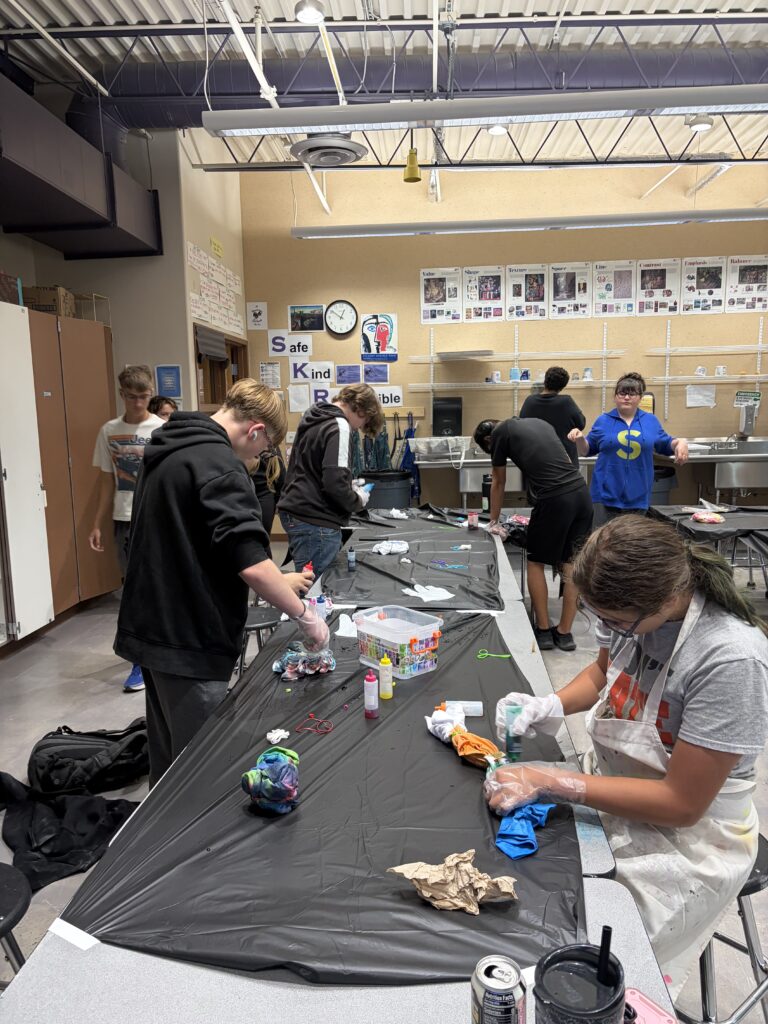
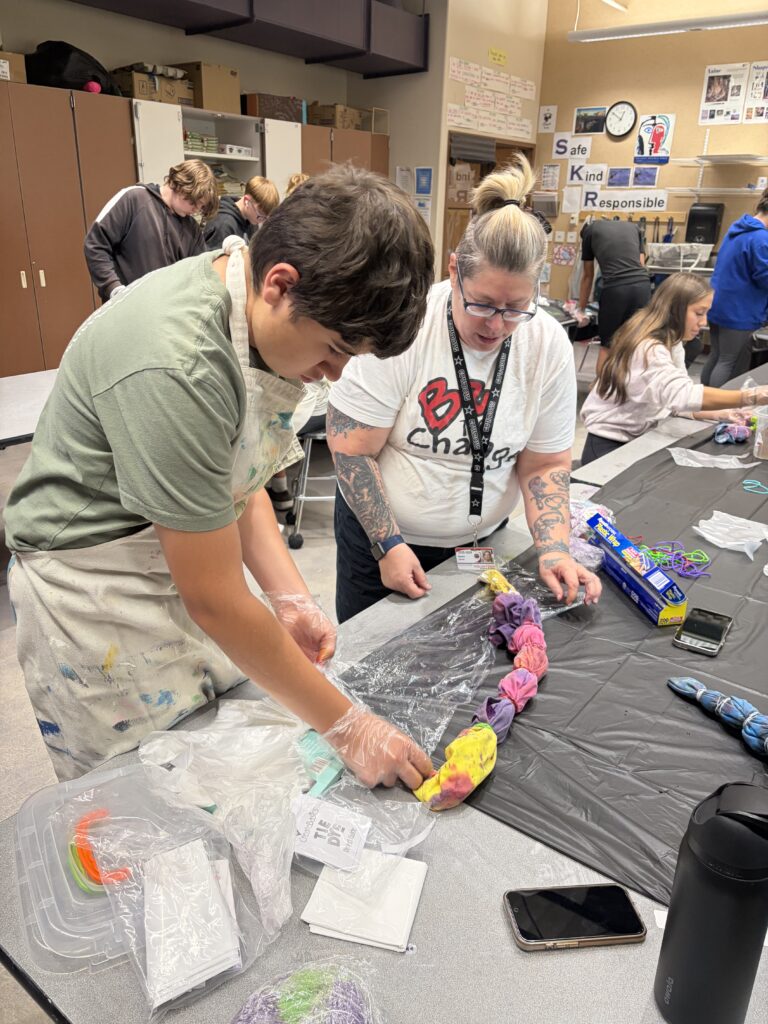
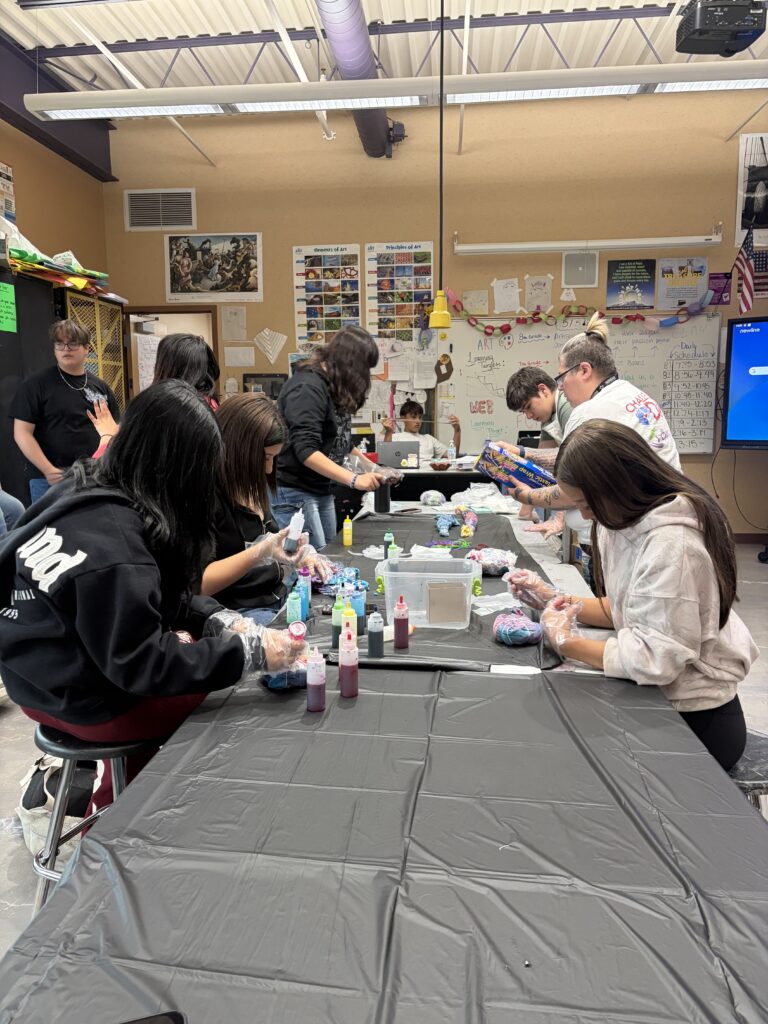
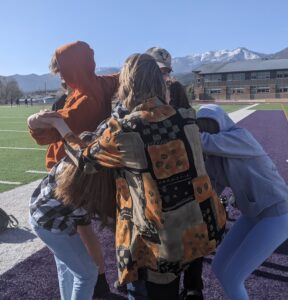
Connection activity with students

Restorative processes: Circles versus Conferences

Circle 

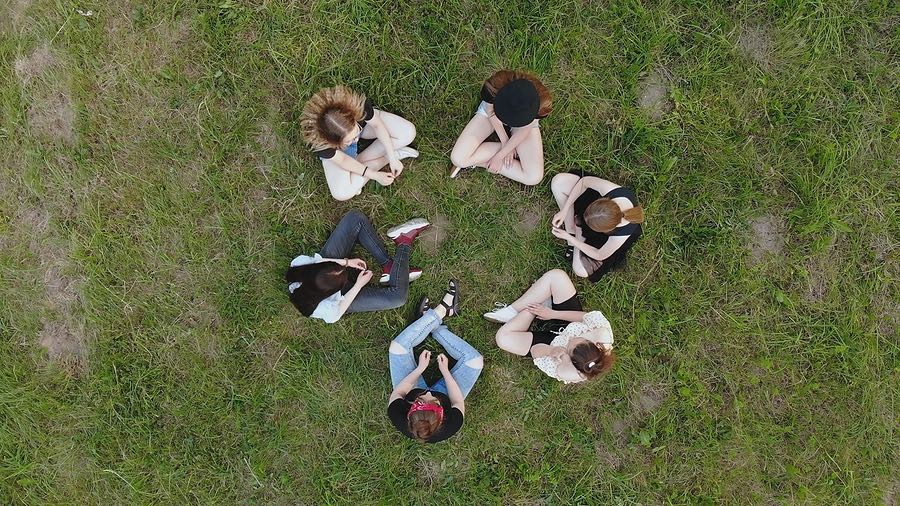
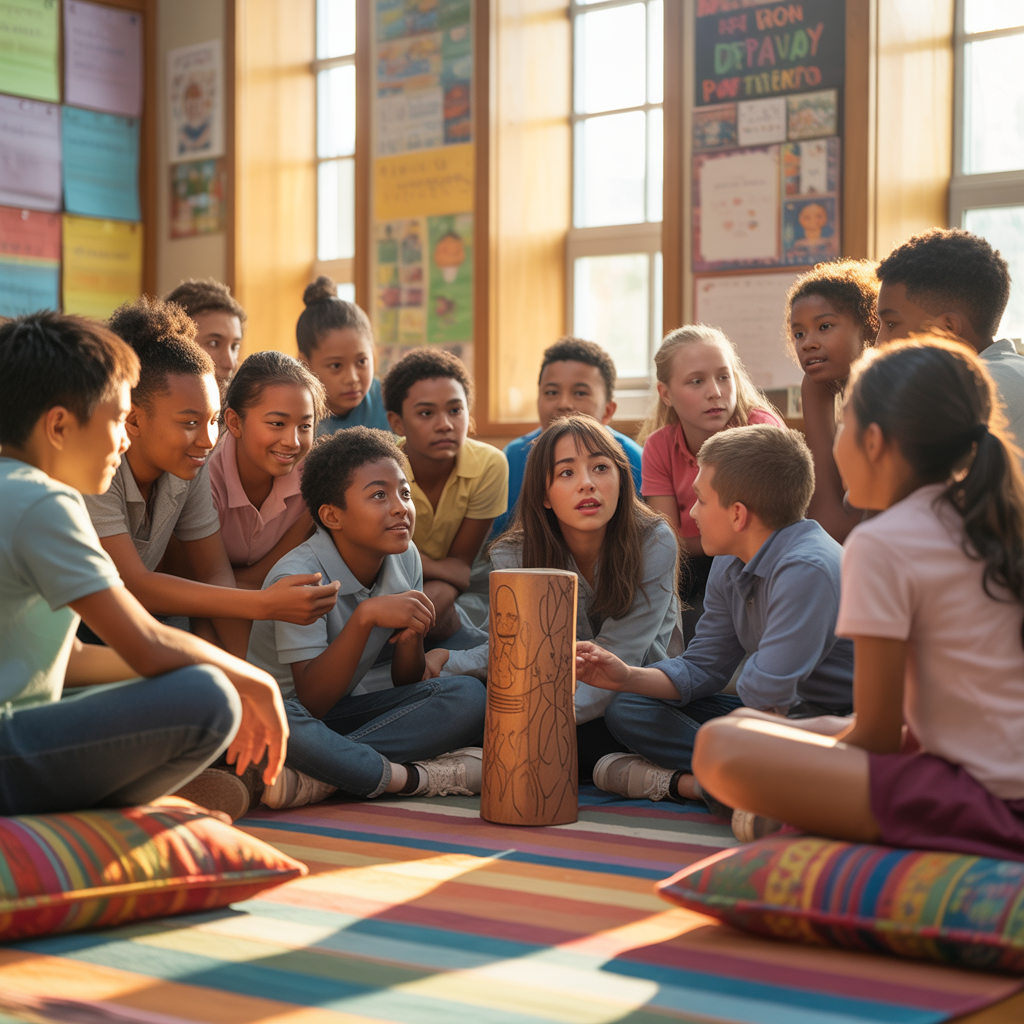
A classroom or group of students can use a circle to “check in”, set expectations, recognize fun or helpful peer experiences and share feelings about the school day. Teachers and students can be trained to use techniques to encourage others to speak openly, honestly, and with respect – this is social and emotional learning. The circle structure can be adapted to a wide range of needs - everything from setting ground rules, defining agreements and values, to addressing disruptive behavior, or processing a difficult event.   

Restorative Conference

This process is used for more impactful incidents, or reoccurring patterns of behavior. The conference is a facilitated conversation that is confidential and voluntary with two main parts. First, the person who caused harm must listen as the impacted people describe what they have experienced, and the person who caused harm is given a chance to speak about how they will be accountable for these actions. The second part of the conversation is focused on helping the impacted people and the person who
caused harm agree on a plan that can make things right as much as possible and work to prevent further incidents. This will often include a written agreement that may also be tied to the school’s “traditional” disciplinary measures.   

Before the restorative conference, we hold separate confidential meetings with each of the involved parties so we can get everyone's input about what happened and why, as well as ideas to repair the harm. For example, a bullying incident will require separate conversations with the families of each student involved, as well as any teachers or staff who were directly impacted. 

How to Participate

If your child has been invited to participate in a restorative conference, you may be asked to help them complete an impact or accountability statement, which will be used to help plan the conference. 

Participation in this process is completely voluntary and can be ended at any time. The restorative approach means that students may participate only if they have demonstrated willingness to be accountable and work to repair the harm during the preparation meeting. Everyone who participates must commit to remaining respectful, following the guidelines established together with the help of the facilitator, and committing to confidentiality.

Forms

Justice does not always mean punishment

Physical Address:
448 E. 1st Street, Suite 208
Salida, CO 81201
Mailing Address:
PO Box 603
Salida, CO 81201
Contact Us
DONATE TODAY
or learn more
We depend on and greatly appreciate grant funding and donations to support our work. Please consider donating.
closechevron-downtwitter-squarefacebook-squareenvelopeangle-downellipsis-v